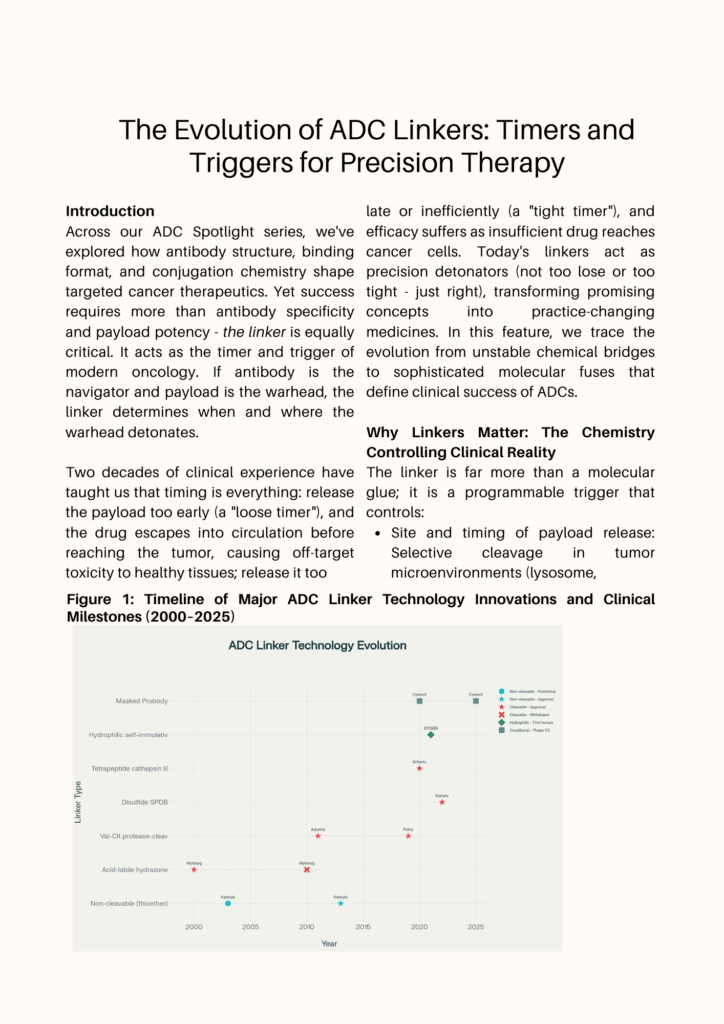
How did a “simple chemical bridge” become the deciding factor for every successful ADC? In this Medness feature, Suhail Ahmed Kabeer Rasheed reveals why the linker – acting as timer and trigger – controls how, when, and where a cytotoxin is delivered in real-world cancer therapy.
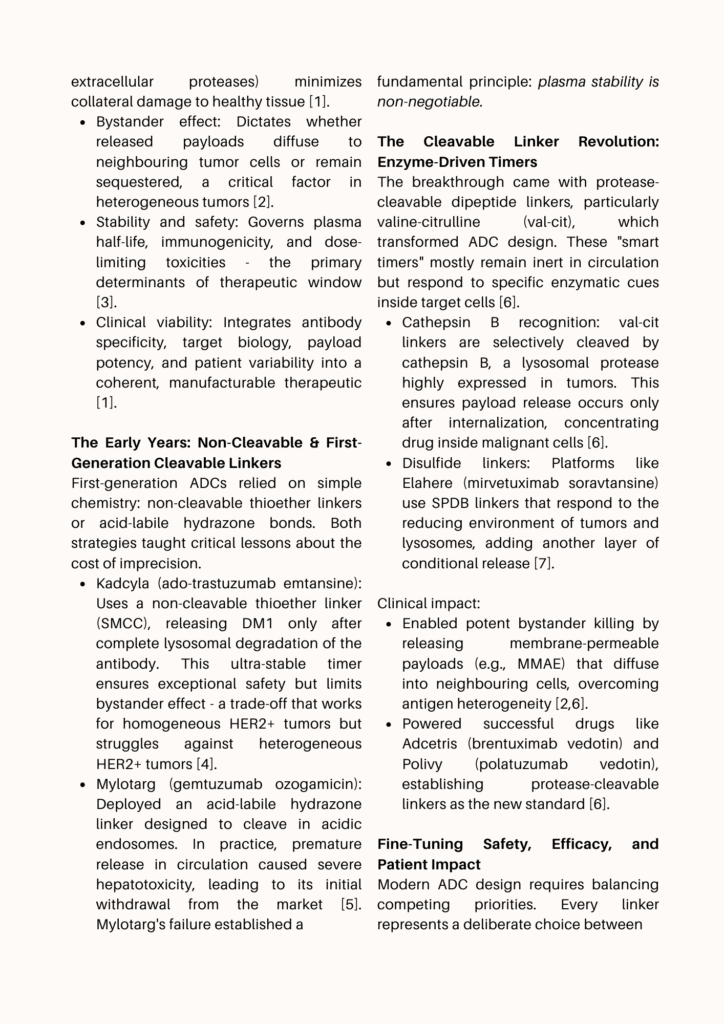
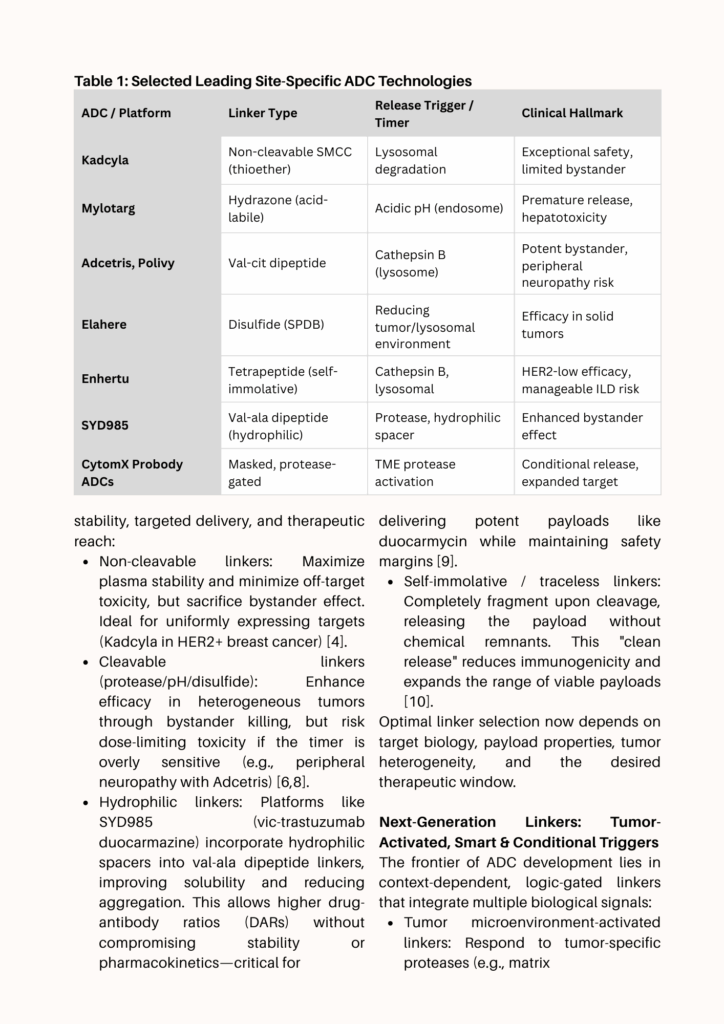
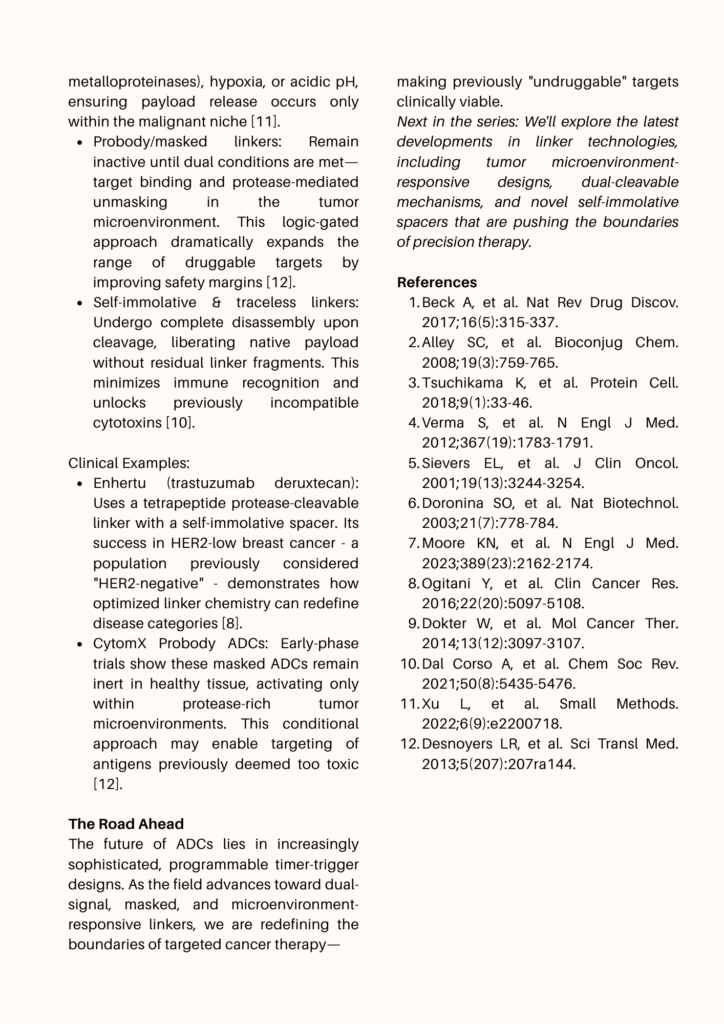
Tracing the field’s evolution from brittle bonds to programmable precision, this article shows how each advance in linker technology, whether cathepsin-cleavable, hydrophilic, or conditional – reshaped what’s possible for ADC safety and efficacy. Learn how clinical lessons in bystander effect, stability, and tumor selectivity are driving the field toward ever smarter, context-aware delivery.
(Click anywhere on the image to expand)
Disclaimer
The editors take care to share authentic information. In case of any discrepancies please write to newsletter@medness.org.
The sponsors do not have any influence on the nature or kind of the news/analysis reported in MedNess. The views and opinions expressed in this article are those of the authors and do not necessarily reflect the official policy or position of MedNess. Examples of analysis performed within this article are only examples. They should not be utilized in real-world analytic products as they are based only on very limited and dated open-source information. Assumptions made within the analysis are not reflective of the position of anyone volunteering or working for MedNess. This blog is strictly for news and information. It does not provide medical advice, diagnosis or treatment nor investment suggestions. This content is not intended to be a substitute for professional medical advice, diagnosis, or treatment. Always seek the advice of your physician or another qualified health provider with any questions you may have regarding a medical condition. Never disregard professional medical advice or delay in seeking it because of something you have read on this website.
MedNess is a part of STEMPeers® which is a 501(c)(3) organization registered in PA as PhD Career Support Group. The organization helps create a growing network of STEM scientists that is involved in peer-to-peer mentoring and support.